Advocating for Colorado Farmers
Farming is a tough and often thankless job. Farmers are tough people who proudly dedicate their lives to feeding the world. Yet even they have their limits. A barrage of modern-day challenges threaten to drive many operations out of business. At the same time, lawmakers, often with the best intentions, are developing policies and regulations that deepen the challenges farmers face.
In the most recent Census of Agriculture (2024), the U.S. Department of Agriculture (USDA) reported the loss of 141,733 farms and 20 million farm acres between 2017 and 2022. In Colorado, we lost 2,837 farms or 7% of all operations during this five-year period. It’s no surprise then that the US became a net importer of agricultural products in 2023. As we continue to lose family-owned farms—which account for 98% of all active operations in Colorado—we lose our heritage and connection to the land, our economic security as a state, and our freedom of choice as consumers.
The Colorado Fruit and Vegetable Growers Association (CFVGA) advocates on behalf of this vital economic sector to preserve our farming communities and our access to affordable local produce.
In the News
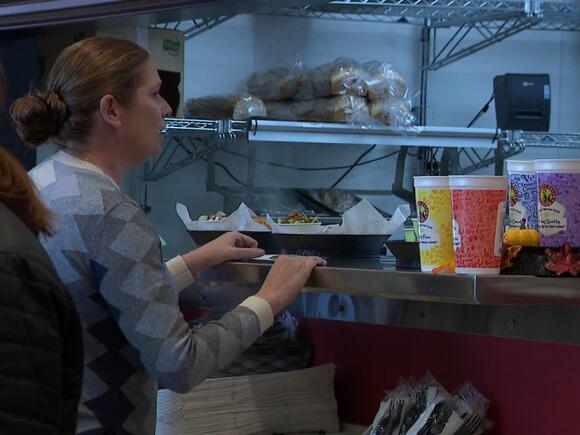
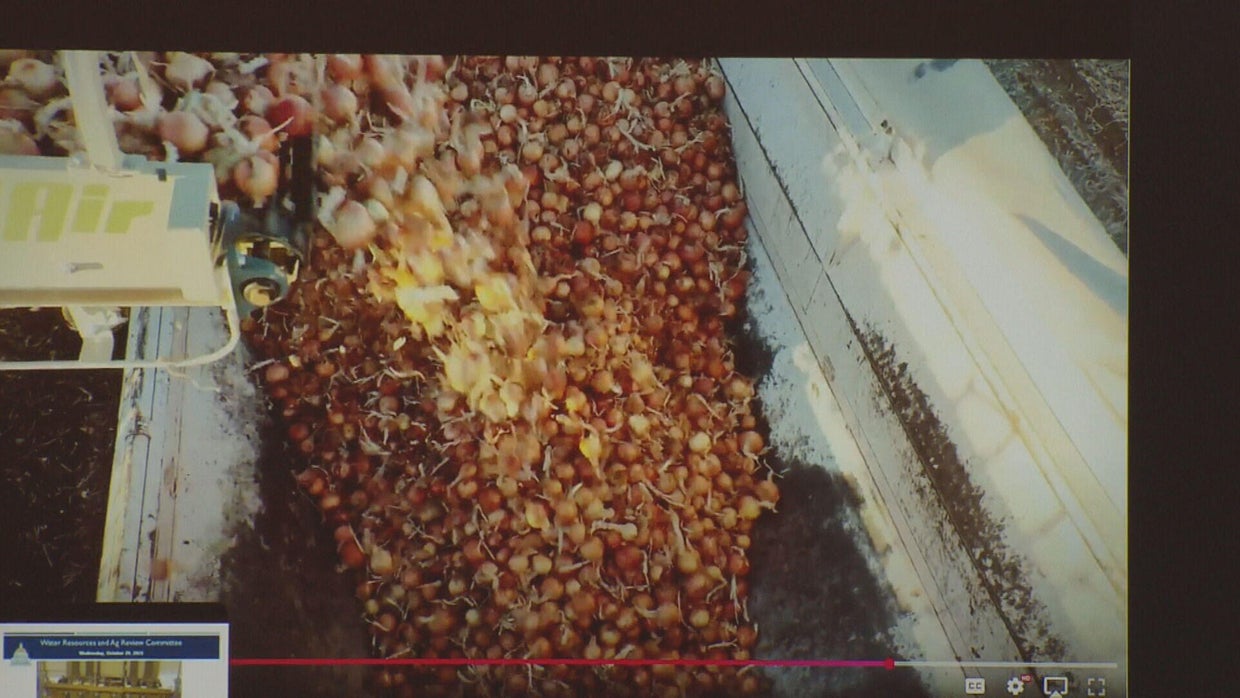
Colorado Fruit and Vegetable Growers Association encouraging farmers to donate extra produce to food banks
Real Talk: The number of Colorado farms is shrinking as concerns over labor, overtime rise
Colorado farmers aren’t to blame for higher food prices, but consider the state’s new overtime laws.
Our Priorities
LABOR & PRODUCTION
Ensuring farmers are not forced to bear unsustainable costs arising from new regulations around labor and production, including recent overtime requirements.
Learn More Here
WATER
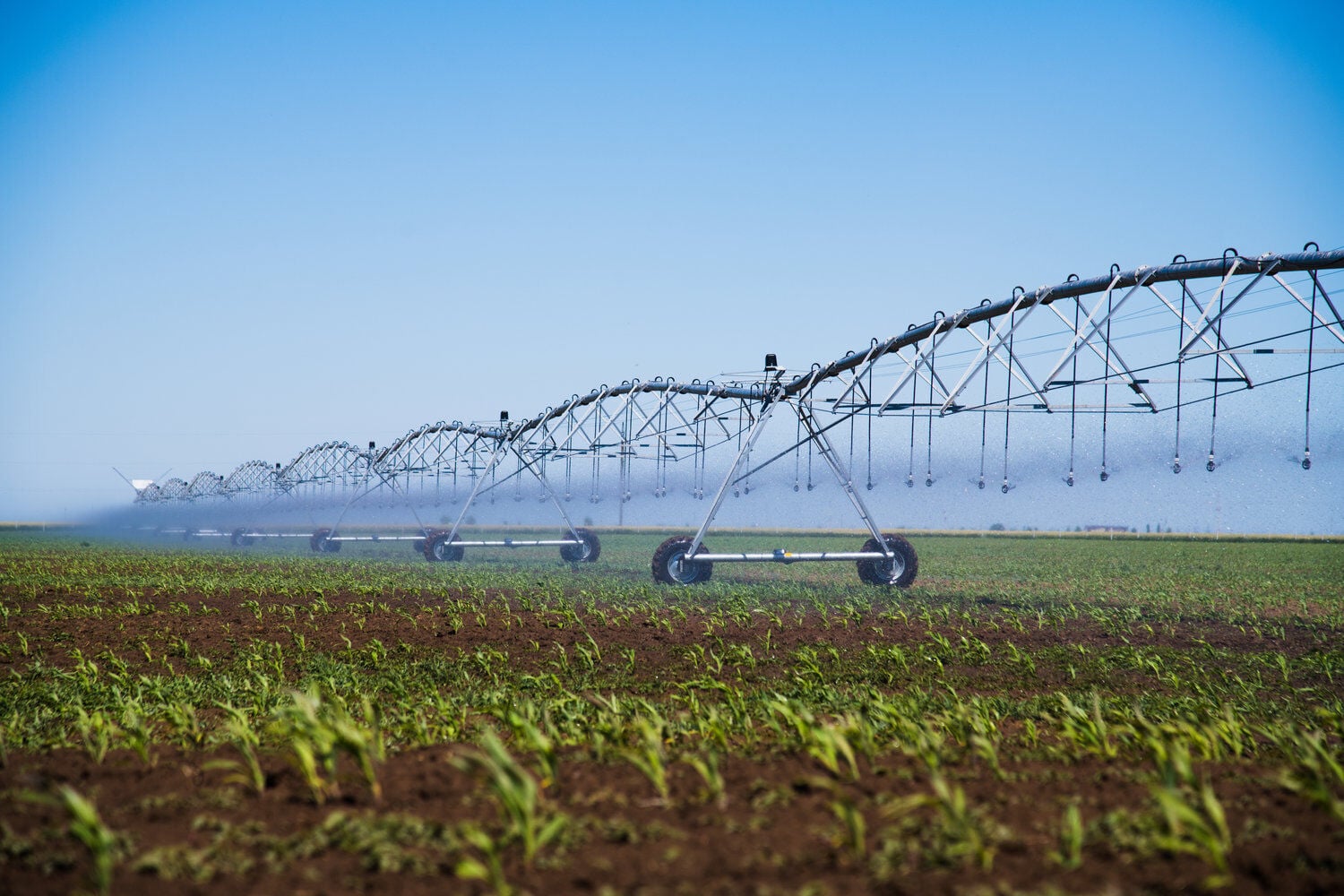
Ensuring water use regulations and the allocation of water continue to support farmers and the food they grow for the state.
PESTICIDES
Ensuring new pesticide regulations do not impede the ability of farmers to protect their crops from native and invasive pests while being good stewards to pollinators across Colorado.
FOOD SAFETY
Ensuring new laws do not impede the ability of growers to produce safe, healthy food that complies with the U.S. Food Safety Modernization Act.
ENERGY
Ensuring growers can access reasonably-priced energy to operate their farms.
Summary of the 2025 & 2026 Colorado Legislative Sessions
For a sense of how legislation affects farmers and the work we do to advocate on their behalf, here is a summary of the 75th General Assembly, which adjourned its second regular session on May 13, 2026.
- PASSED “Protections for Agricultural Products Grown in Colorado” to prohibit agricultural products from identifying as Colorado-grown unless they are in fact grown in Colorado. The new law strengthens market protections against out-of-state products and reinforces the value of authentic Colorado fruit and vegetable production.
- MODIFIED the irrigation regulations established under HB 23-1161, loosening requirements on spray sprinkler bodies and shifting to WaterSense program certification, which removes unnecessary burdens on farmers while still prioritizing water smart practices.
- PASSED bills to protect watersheds and native pollinators, as farmers thrive when their local environments are healthy and functioning naturally.
- REPEALED the Key Service Provider provision in the 2021 Agricultural Workers’ Rights Act, which had granted service providers unencumbered access to private property belonging to farmers. Not only was this provision a liability for landowners, it was dangerous for the service providers.
- EDUCATED our members and the public regarding the work and economic contributions of the Colorado Fruits and Vegetable Growers Association.
What can you do to support our farmers?
Colorado farmers depend on your advocacy when the Colorado legislature is in session. Since we cannot anticipate what all will be on their agenda, please subscribe for updates on the issues we’re facing and to read impact stories from the farmers we represent.
When you’re ready to do more, contact us for guidance on how you can advocate for our needs with your legislator. And don’t forget to buy local to support our hard-working agricultural communities!